Pranav Dhiran—AI Engineer · Researcher

I build systemsthat reason.

I keep digging into rabbit holes, some become systems.

Accepted

Navigate, Don’t GenerateFirst author · NeurIPS 2026, AI4Good Workshop

Download resume
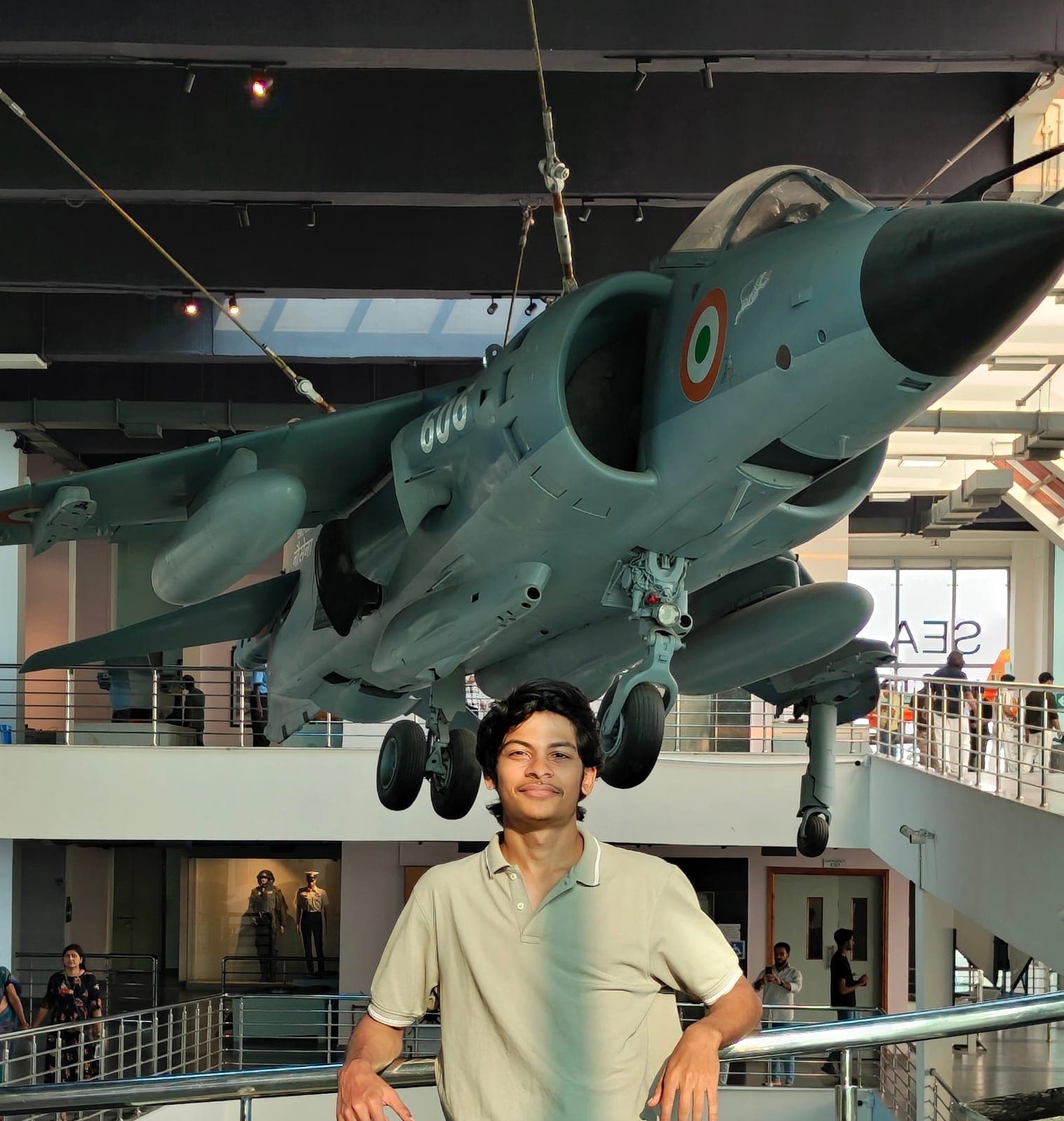
Portrait of Pranav Dhiran
Currently
  1. 01LFX’26 menteeHyperledger Cello
  2. 02Neurosymbolic SLMsPre-train + RL
  3. 03Agri-language modelKnowledge graphs
Scroll

Everything I build started as a question I couldn't leave alone.

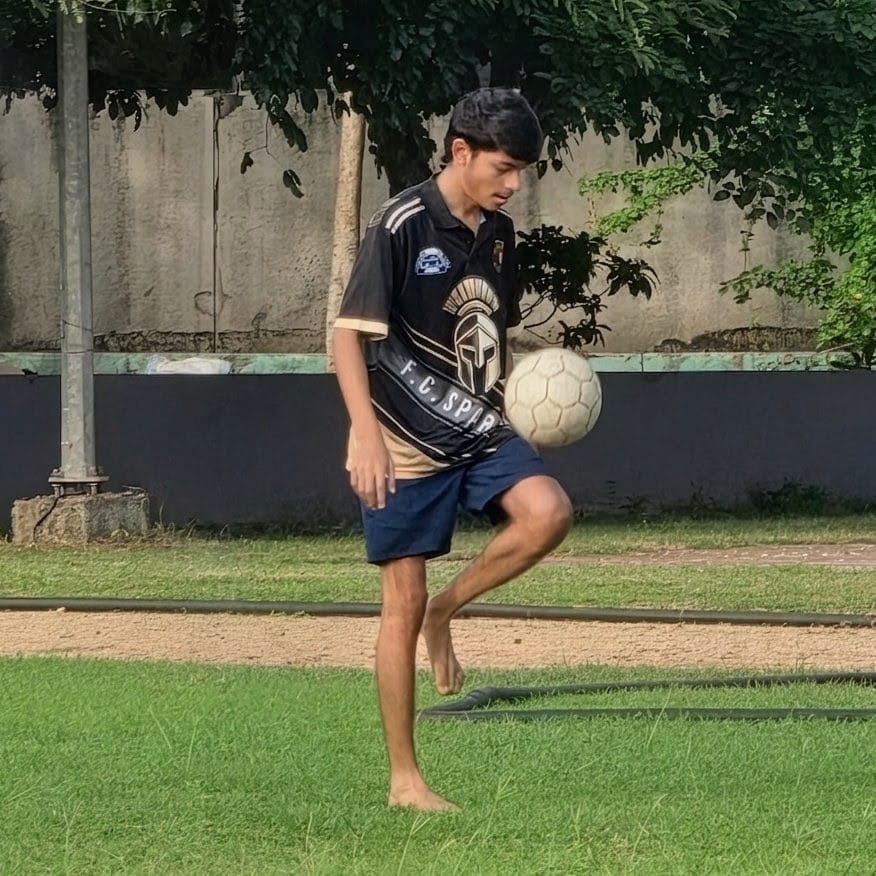
Playing football
Anime

Everything started with a question I couldn't put down. I didn't pick a field so much as a habit — follow a question until it turns into something you can build, test, and hand to someone else. Some questions became models; some became tools; a few became stories worth telling.

Final-year B.Tech, Electronics & Telecom at SGGSIE&T Nanded. Tier-3 college, self-taught in most of what matters.

Recognition

  • Qualified — ETHGlobal 2026
  • International Finalist (Top 6) — UWA Hack 2026
  • National Finalist — Smart India Hackathon 2024 & 2025
  • Regional Qualifier — Nxt Wave × OpenAI Buildathon

Every role is a different vantage on the same question.

Apr 2026 – Present

Research Intern

AIISC, University of South Carolina

The bet: a small model with symbolic constraints can do things a large one can't — not in spite of its size, but because of it. I own the pre-training pipeline that tests the bet.

  • Own the pre-training pipeline for a 5-person team building an India-focused agriculture SLM — data collection and cleaning through pre-training and evaluation
  • Built a 140M-parameter Qwen3-style transformer training/eval pipeline (GQA, RoPE, RMSNorm, SwiGLU, factorized embeddings) over a 6.5 GB / 266K-document corpus, with training-health, domain-validation, and safety evaluation frameworks
  • Built the neurosymbolic layer: BPE tokenizer with AGROVOC entity injection, Z3-based causal KG verification, Triple Transformer Encoder
  • Built India-Agri-KG — 784 districts, 26 domains, 14,478+ entities, 38,590+ relations — with a 5-stage non-LLM verification layer enforcing source traceability on every triple (unpublished)
  • Delivered two technical lectures for the IAIRO-affiliated SLM Bootcamp 2026: Vanilla GPT-2 Architecture, and Scaling Laws & Cost Accounting

Jun 2026 – Present

LFX Mentee

Hyperledger Cello · Linux Foundation

Fabric has an operations problem: steep learning curve, verbose tooling, too much that shouldn't require an expert. The hard part isn't the LLM — it's knowing which API calls compose into what the operator actually meant.

  • Building an AI operations copilot for Hyperledger Fabric — natural-language queries to Cello REST APIs through an LLM tool-calling workflow
  • Implemented the Django/DRF backend and SSE streaming pipeline powering incremental AI responses in the React dashboard
  • Built a Fabric node-logs API on the agent layer with bounded log retrieval and Docker error handling for AI-assisted node debugging
  • Developed a multi-party channel invitation workflow end to end: database models, REST APIs, Fabric configuration/signing logic, and dashboard UI

Mar 2026 – Jul 2026

Open Source Contributor

Meshery — CNCF Sandbox Project

The PRs matter less than what you absorb reading other people's production code at scale.

  • 5+ merged PRs across Meshery's Go backend and React frontend — service-mesh features, UI components, and API integrations
  • Active in issue triage, code reviews, and contributor discussions under CNCF's open-source workflow

Rabbit holes that became systems.

01
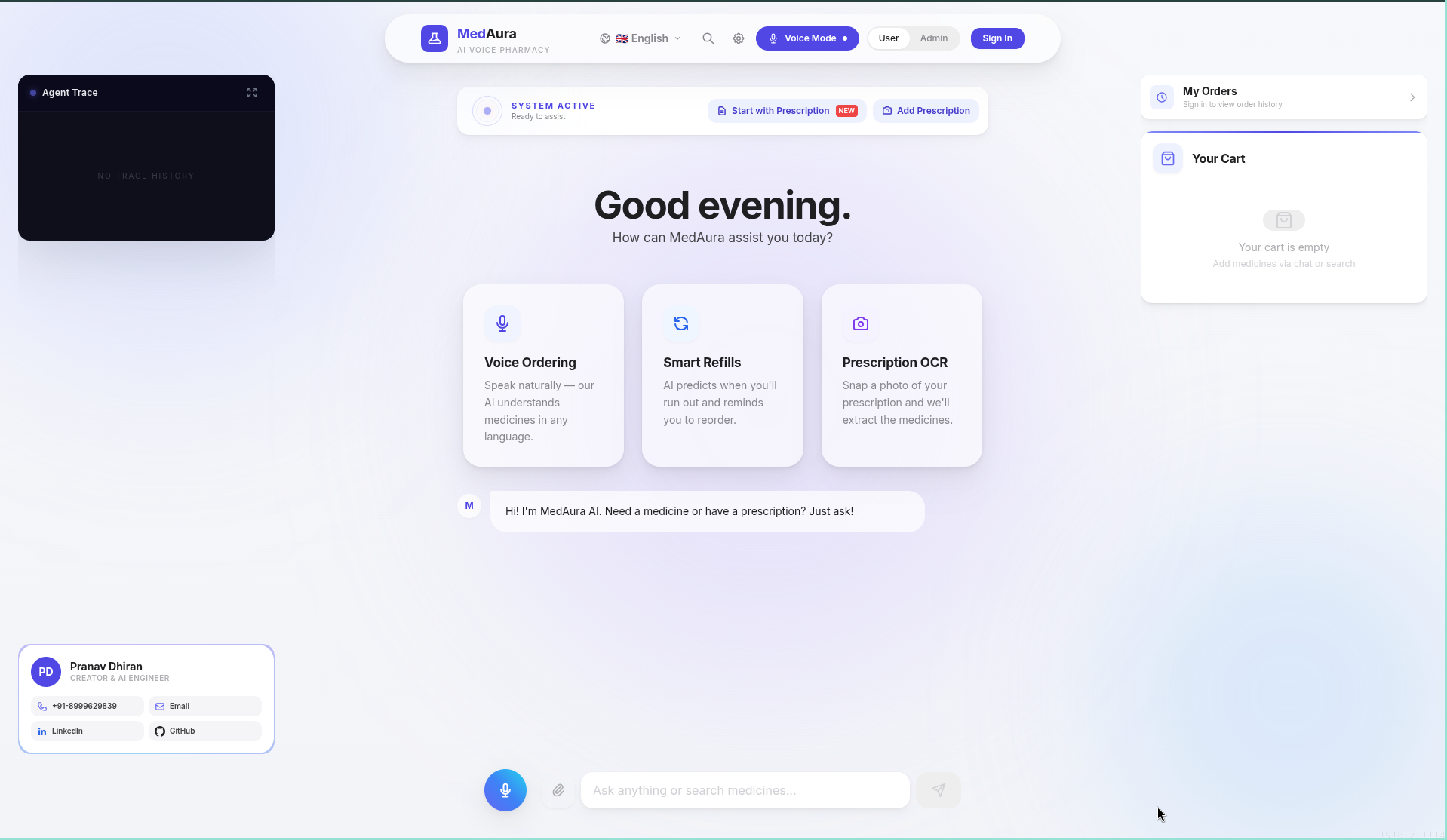
Medaura - Agentic Pharmacy System

Medaura - Agentic Pharmacy System

Medication errors are an information problem. The information exists - it is just not connected at the moment it matters.
FastAPILangGraphChromaDBLangfuseReact
View case study →Live system →
02
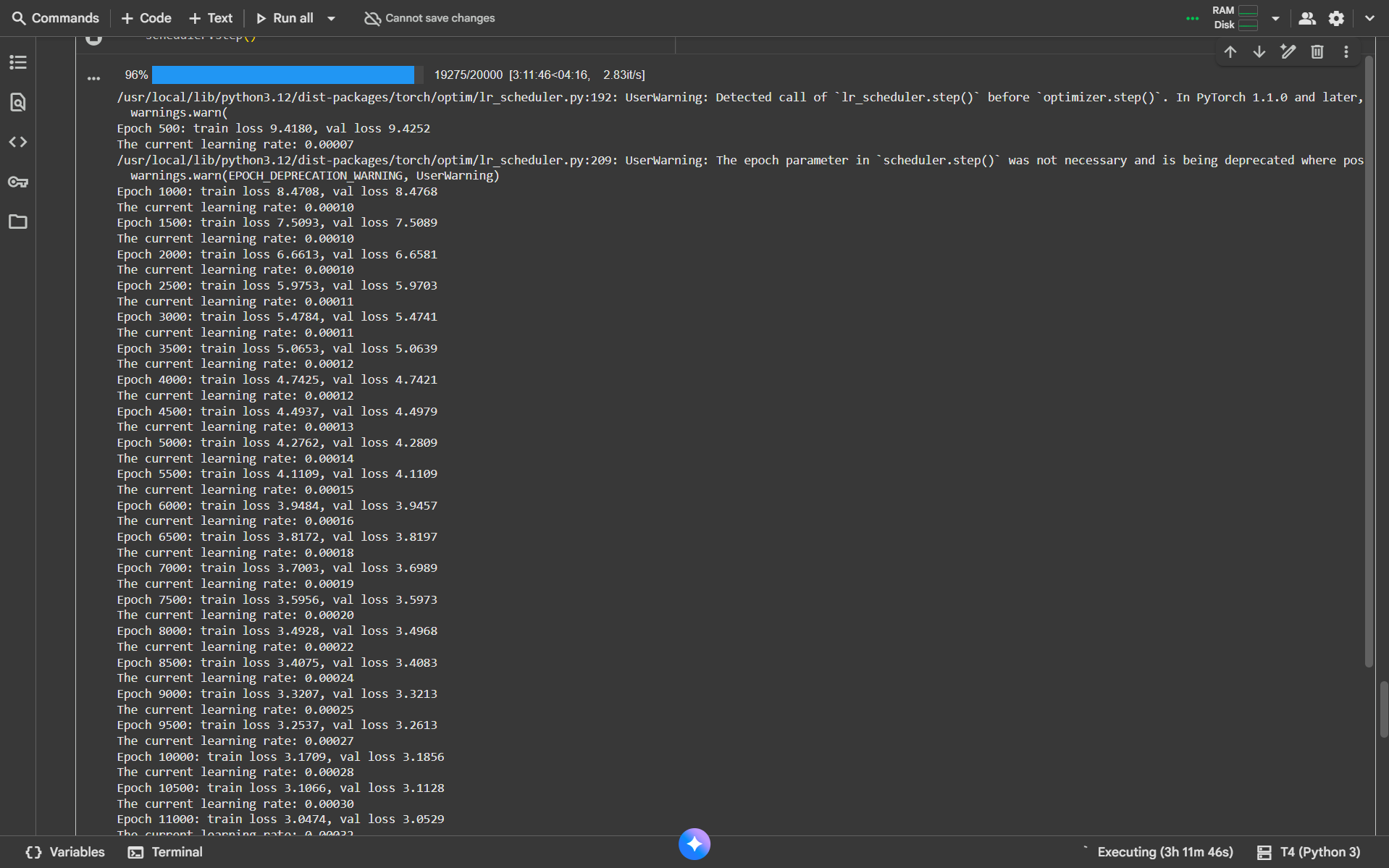
Small Language Model From Scratch - TinyStories

Small Language Model From Scratch - TinyStories

Every LLM course teaches you to call an API. I wanted to know what happens before the API.
PyTorchCustom BPEAMPNLP
View case study →GitHub →
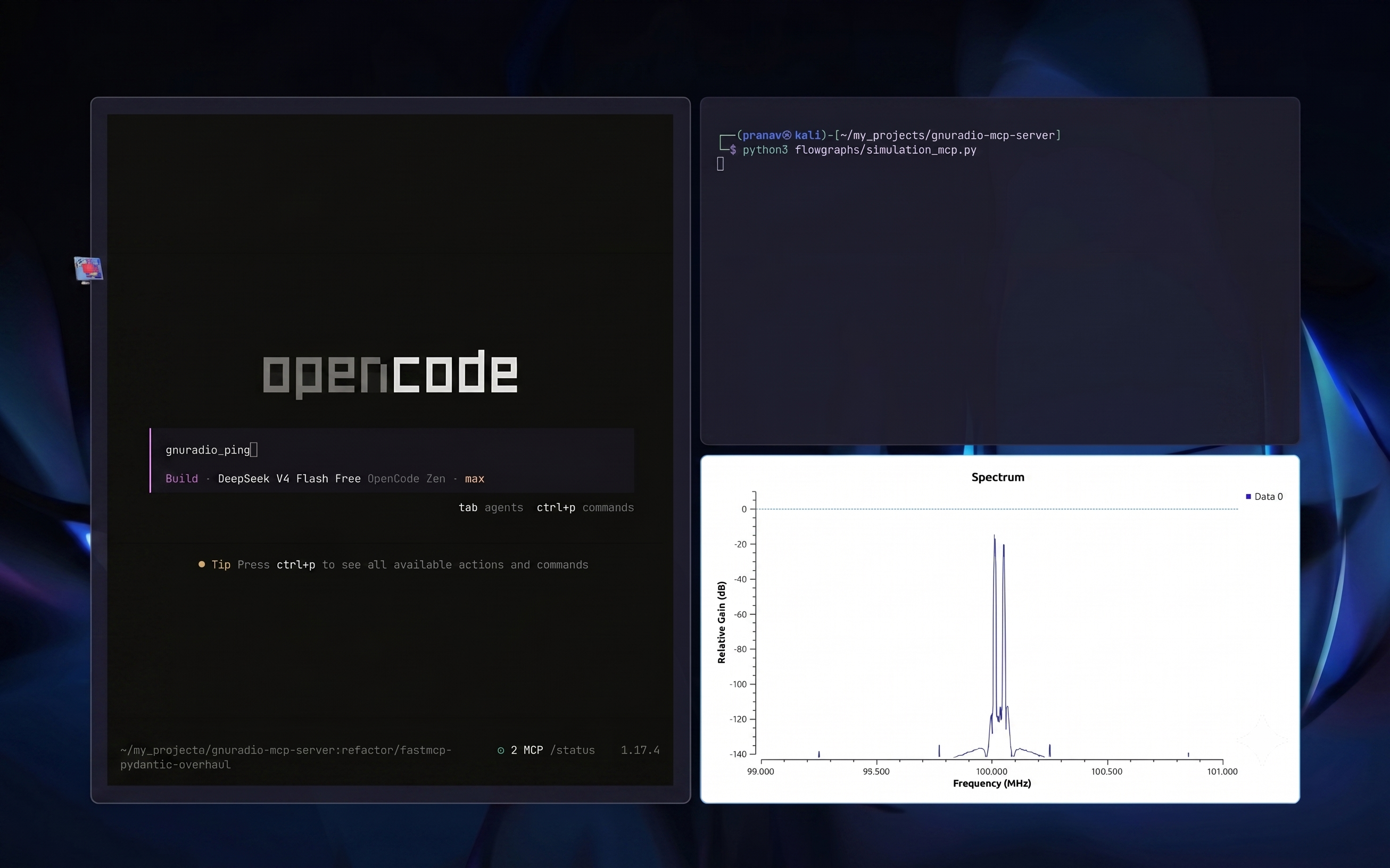
GNU Radio MCP Server - LLM-to-SDR Bridge
03

GNU Radio MCP Server - LLM-to-SDR Bridge

LLMs can reason about RF signals. They just could not touch a radio. This closes that gap.
PythonFastMCPZMQXML-RPCGNU Radio
View case study →GitHub →
04
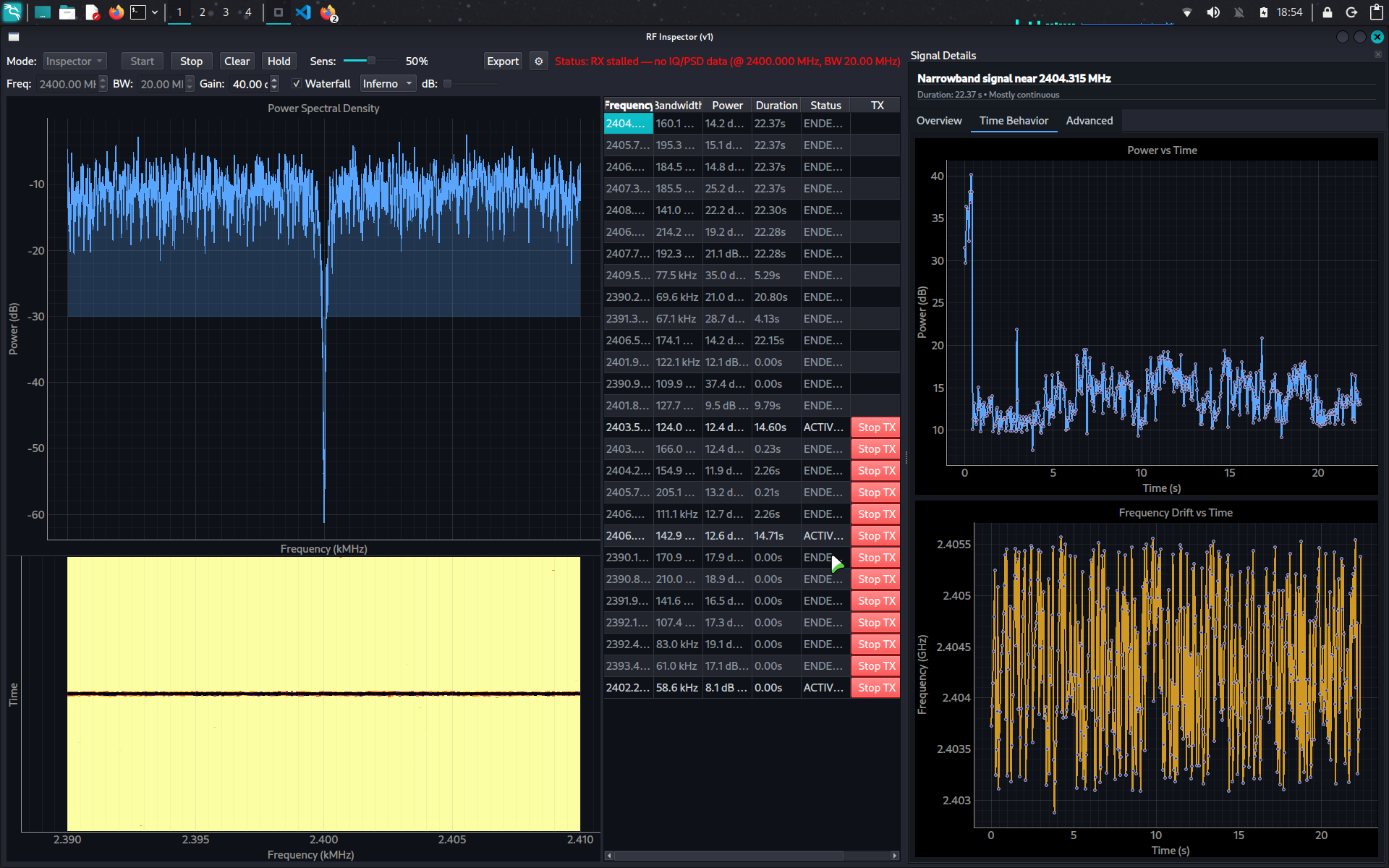
RF Watch - Open-Source Real-Time RF Spectrum Monitor

RF Watch - Open-Source Real-Time RF Spectrum Monitor

Physical-layer first: no protocol decoding, no black-box certainty, just traceable RF evidence.

PythonGNU RadioHackRF OneSignal Processing
View case study →GitHub →

The papers that gave me the vocabulary.

Not a reading list — each one changed what I thought was possible.

01arXiv

ReAct: Synergizing Reasoning and Acting

Agents observe before they act.

2210.03629
02arXiv

Toolformer: Models Teach Themselves to Use Tools

The mental model for LLMs using external tools.

2302.04761
03arXiv

Switch Transformers: Mixture of Experts

Modular capacity beats monolithic scaling.

2101.03961
04arXiv

Group Relative Policy Optimization

A foundation for post-training interest.

2402.03300
05arXiv

Direct Preference Optimization

Preference optimization without treating RL as magic.

2305.18290
01arXiv

ReAct: Synergizing Reasoning and Acting

Agents observe before they act.

2210.03629
02arXiv

Toolformer: Models Teach Themselves to Use Tools

The mental model for LLMs using external tools.

2302.04761
03arXiv

Switch Transformers: Mixture of Experts

Modular capacity beats monolithic scaling.

2101.03961
04arXiv

Group Relative Policy Optimization

A foundation for post-training interest.

2402.03300
05arXiv

Direct Preference Optimization

Preference optimization without treating RL as magic.

2305.18290

Thinking out loud — same act as building, different medium.

Speaking

Two sessions taught at the IAIRO SLM++ Bootcamp

PRAMANA Cohort 1 · 2026 — Two lecture sessions taught to the PRAMANA cohort — building GPT-2 from first principles, then what changed and what it cost.
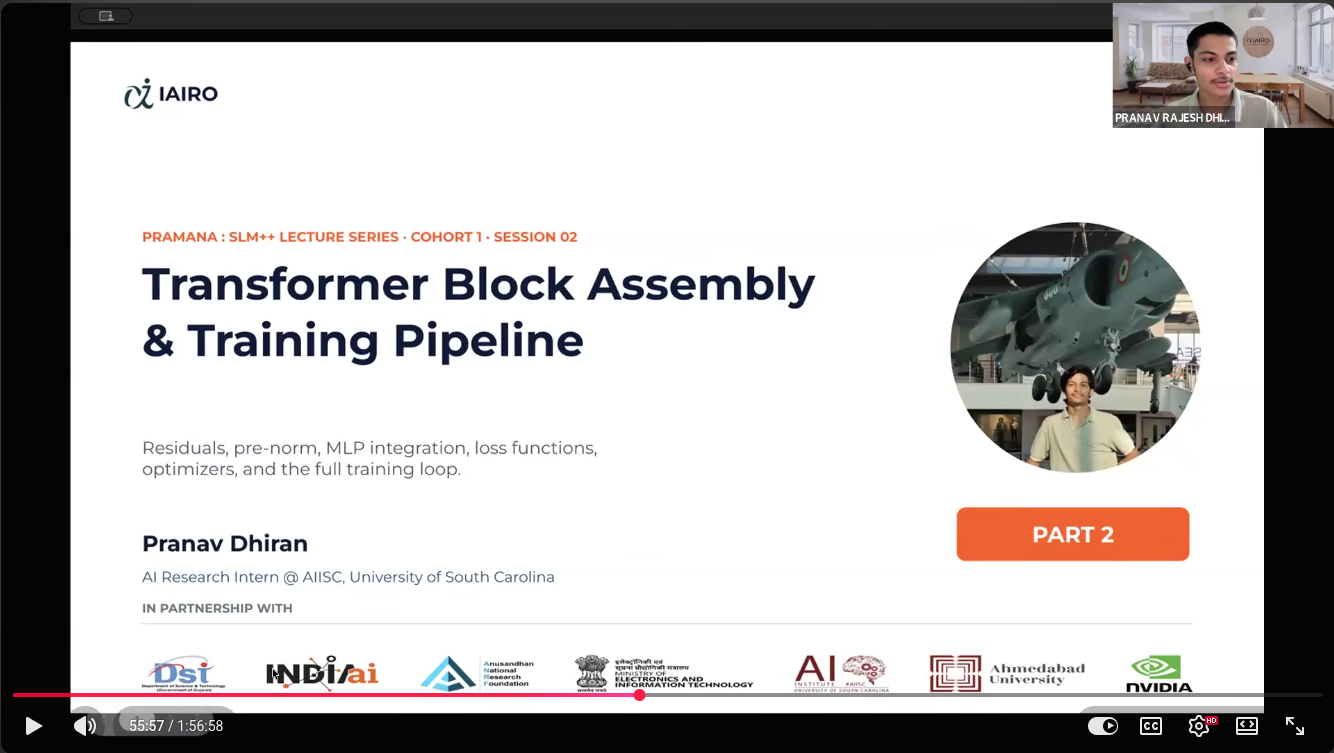
Vanilla GPT-2 ArchitectureSession 02

Vanilla GPT-2 Architecture

A lecture session on the GPT-2 architecture from first principles — how attention, positional encoding, and the decoder stack fit together before any fine-tuning enters the picture.

Watch the session
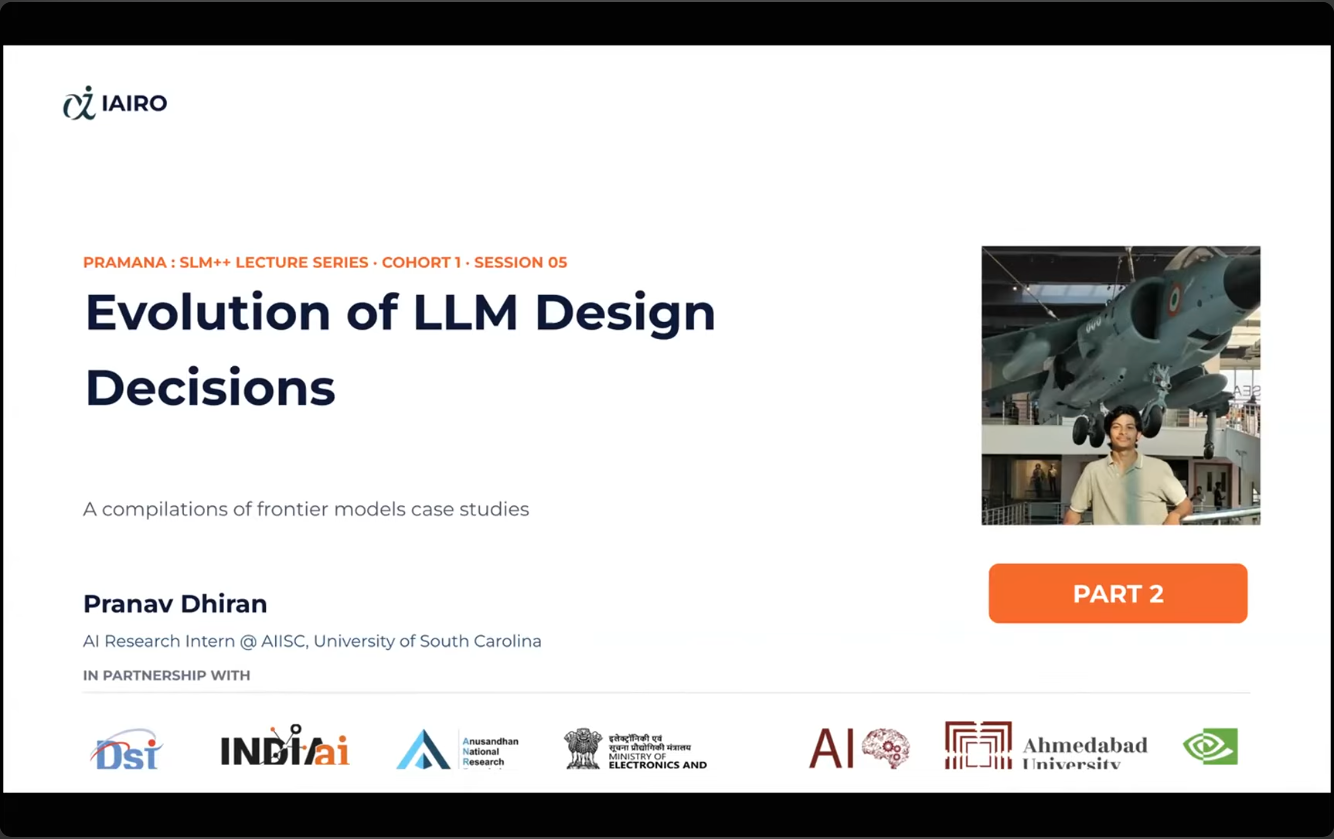
Evolution of LLM Design DecisionsSession 05

Evolution of LLM Design Decisions

A compilation of frontier models case studies — Part 2, Session 05 of PRAMANA: SLM++ Lecture Series. Scaling laws, cost accounting, and how design decisions compound.

Watch the session
Writing

Essays on training, alignment, and going back to first principles

02 published
01Why pre-train, not fine-tune?Fine-tuning patches behaviour. Pre-training shapes belief. One is a fix; the other is a foundation.Substack · Ashborn2025 · 8 min02How Do You Design a Custom SLM?From Qwen3-0.6B to a 133M agricultural language model — not shrinking, but reallocating the parameter budget where it counts.Substack · AshbornAug 2026 · 10 min

If any of this resonated, let's talk.

Currently interested in AI research internships, open-source collaborations, and systems engineering opportunities. Cold emails work.

Primary channel
click to copy
Download resume
Elsewhere on the internet
GitHubPranav-d33
LinkedInprannav-dhiran
Substackashborn2
X@Prannav_ai
Pranav Dhiran
Epigraph
"Not everything is meant to be, but everything is worth trying."
Pranav Dhiran
Navigate
Connect
  • GitHub
  • LinkedIn
  • Substack
  • X
© 2026 Pranav DhiranBuilt with care
wonder anything?
ask in context
The beauty of being lost is,that every direction is a new possibility